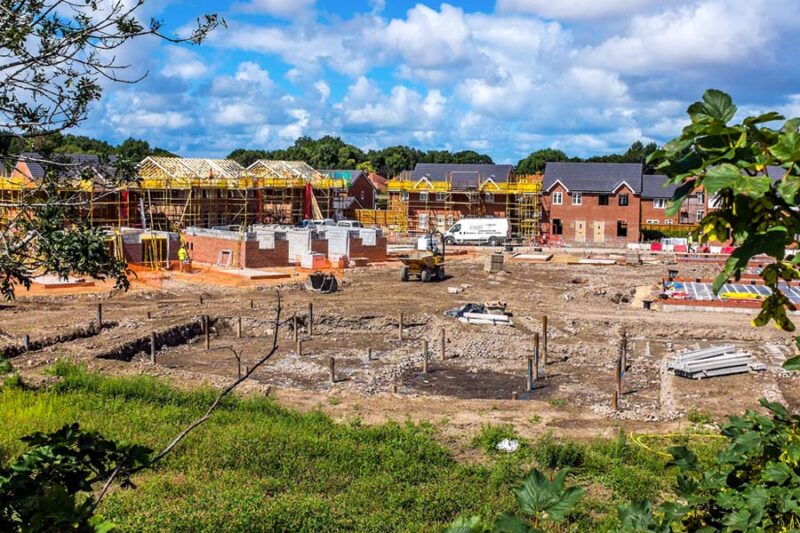
Brownfield redevelopment refers to the process of reusing land that has been previously developed, which could be complicated by the presence of hazardous materials, pollutants, or contaminants. Such land includes former industrial plants, warehouses, fueling stations, or manufacturing plants. Environmental compliance solutions are integral to the redevelopment of such land into a productive one while ensuring the safety of the public and the environment. Stakeholders seeking to learn more about brownfield redevelopment often begin by understanding the regulatory frameworks and technical processes that guide environmental investigation and cleanup.
Phase I & II Environmental Site Assessments (ESAs)
The redevelopment process is often initiated by conducting Environmental Site Assessments. A Phase I ESA is basically an initial study whose main aim is to find out whether there are or have been any environmental contamination problems or liabilities. The documents related to the historical use of the land are reviewed, site visits are conducted, searches of regulatory databases are made, and interviews are also conducted with the landowners or occupants.
The aim is to determine if there are any known environmental problems. If there is a reason to suspect contamination, a Phase II ESA will be required. This phase will usually include soil sampling, groundwater analysis, and laboratory analysis. Phase II studies provide the level of contamination and are very important for information related to environmental damage. Thus, a Phase I and Phase II ESA is an essential tool in the process of damage assessment, regulatory compliance planning, and financial planning in the brownfield redevelopment scenario.
Remedial Action Planning & Implementation
As soon as contamination is verified, a remedial action plan will be created. This plan will detail the chosen method for the cleanup, the standards for the remediation, the schedule, and the requirements for cooperation with the regulations. The type of contaminants, their concentration, the geological features of the site, the objectives of the land use, and the environmental regulations that apply will all influence the choice of a remedial approach.
Steps taken can be the digging up of earth, soil stabilization, water treatment, chemical oxidation, the usage of microorganisms for cleaning up, or setting up containment systems. A good remedial plan should be a combination of the technical solution, together with meeting the regulations, and considering the future use of the land. Working with the environmental authorities is necessary to make sure that the levels of cleanliness are in line with the legal requirements.
Contaminated Soil Management
Contaminated soil management plays an essential role in the overall process of redeveloping brownfields. If soil is contaminated with substances such as hydrocarbons, heavy metals, solvents, or any other types of hazardous materials, it should be properly handled to avoid further damage to the environment. Different solutions to the problem can be in-situ remediation, relocation to a licensed treatment or disposal center, soil washing, or encapsulation.
Transmission and disposal of contaminated soil are under the strict control of the regulatory authorities. To comply with hazardous waste management legislation requirements, proper documentation, knowledge of the waste, and manifesting should be done. Proper soil management, through and through, not only ensures the safety of the construction workers but also of the neighbors.
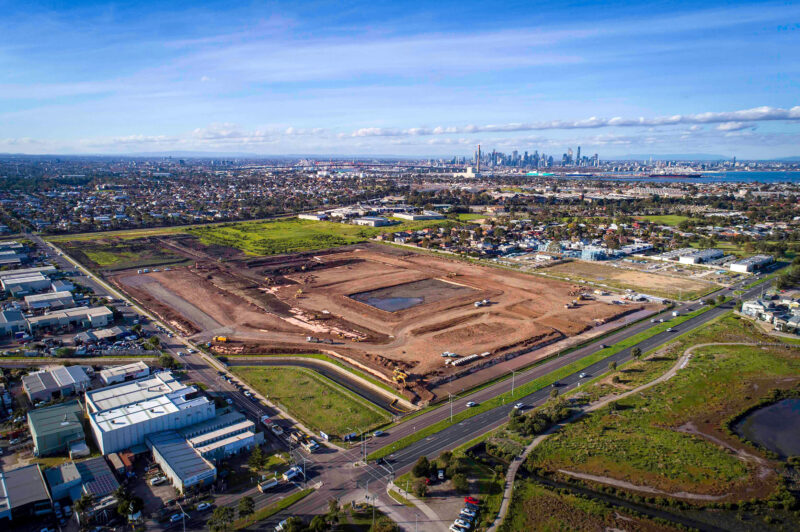
Vapor Intrusion Mitigation Design & Installation
Vapor intrusion is a process in which volatile chemicals from soil or groundwater contamination move into buildings through cracks in the foundations or through utility conduits. If this route is not properly managed, it can expose the occupants to health hazards. Vapor intrusion mitigation systems are a series of measures aimed at stopping or lowering the ingress of toxic vapors from the outdoor environment into the indoor environment.
Sub-slab depressurization systems, vapor barriers, and venting systems are typically some of the options that are implemented to deal with this issue. These can be installed either during the construction phase or at a later stage. Engineers have to take into account various site-specific factors such as the permeability of the soil, the nature of the pollutants, and the layout of the building when deciding on the design. It is a common practice to include the monitoring systems to ensure the performance is sustained over time
Methane and VOC Mitigation Systems
Some brownfield sites, especially those that were landfills or petroleum storage areas, may have had an accumulation of methane and volatile organic compounds (VOCs) underground. Methane is dangerous as it can explode, whereas VOCs are not only a health threat but also contribute to environmental pollution. Gas mitigation systems serve to limit the flow of gases and to secure indoor air quality.
Such systems might comprise a layer for gas collection, systems for passive venting, units for active extraction, and devices for continuous monitoring. Meeting the requirements of local building codes and environmental standards is a key factor that guarantees a safe redevelopment process.
Environmental Permitting and Compliance Support
Obtaining environmental permits is a challenging yet integral part of any brownfield project. Redevelopment activities generally require various approvals, such as those for remediation plans, waste management, groundwater discharge, air emissions, and land use changes. Before allowing construction work or occupancy, regulatory bodies can set certain conditions that must be strictly observed.
Compliance support means the preparation of technical papers, interaction with the authorities, and taking all remediation and construction actions in accordance with the laws of the environment. Open dialogue and truthful reporting help to sustain the trust of the regulatory body, and thus, a shortening of the project execution time is achieved.
Construction Oversight and QA Inspections
During redevelopment, environmental professionals quite often provide construction oversight and quality assurance inspections. These services ensure that the remediation systems, soil handling processes, and mitigation systems are done in line with the regulatory requirements. Documenting field activities, verifying samples, and testing the performance of systems are some of the key elements of quality assurance. Effective quality assurance helps in avoiding non-compliance issues while also ensuring that the remedial objectives are achieved successfully.
Long-Term Monitoring and Reporting
Long-term observation may also be required even after the active remediation process is over. Groundwater sampling, soil gas monitoring, and system performance analysis are some of the methods through which it is ensured that the contamination is under control and there is no future risk. It is quite common for regulatory authorities to impose the condition of periodic reporting in order to prove compliance on an ongoing basis. Long-term stewardship, thus, epitomizes the continuing nature of the responsibility of redeveloped brownfield sites. Those who have a stake in sustainable land reuse remain engaged to learn more about changing environmental standards, monitoring technologies, and compliance frameworks, which will be the determinants of the brownfield redevelopment’s future.